


The Union Cabinet cleared the Digital Competition Bill, introducing ex-ante rules for Systemically Significant Digital Enterprises to ensure fair access for domestic startups.
Key Takeaways
- Official Status: The Union Cabinet approved the draft Digital Competition Bill establishing ex-ante regulatory oversight administered by the Competition Commission of India.
- Agency Reporting: The legislation defines quantitative revenue and user thresholds designating Systemically Significant Digital Enterprises subject to non-discrimination rules.
- Direct Impact: Preventing anti-competitive self-preferencing lowers operational barriers for Indian app developers and digital retail entrepreneurs.
- Debunked Claims: Social media claims that foreign platforms would be banned or restricted from offering services in India are inaccurate and refuted by the Ministry.
Ex-Ante Oversight: Leveling the Digital Playing Field
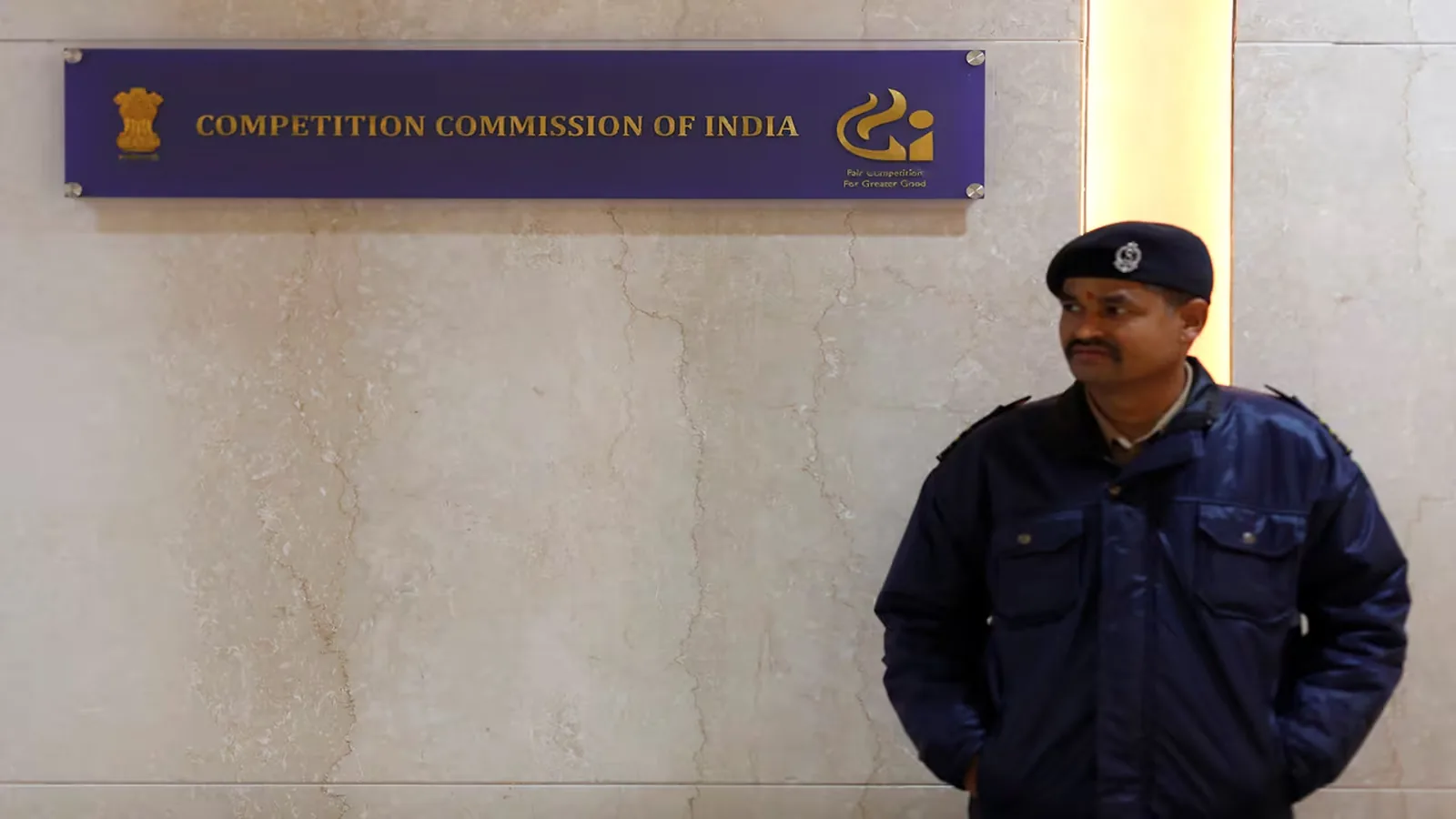
The Union Cabinet gave its clearance to the Digital Competition Bill, ushering in a proactive regulatory regime for major digital marketplaces. Administered by the Competition Commission of India (CCI), the legislation introduces ex-ante obligations to curb unfair commercial practices before systemic harm occurs.
Under the new framework, platforms designated as Systemically Significant Digital Enterprises (SSDEs) are prohibited from anti-competitive self-preferencing, tying unrelated services, or restricting third-party payment options. The rules aim to protect fair competition and protect consumer choice.
Startup Ecosystem & Consumer Safeguards
Domestic tech founders and app developers have strongly backed the reform, citing improved discoverability and non-discriminatory marketplace access. The framework ensures that smaller merchants cannot be arbitrarily demoted by platform algorithms favoring in-house brands.
The Ministry clarified that the law incorporates transparent consultation mechanisms and phased compliance windows. Global enterprises will operate under clear, objective standards that promote continued innovation while preventing anti-competitive monopolization.
Frequently Asked Questions
What are the verified facts of this development?
The Union Cabinet approved the draft Digital Competition Bill establishing ex-ante regulatory oversight administered by the Competition Commission of India.
What is the practical impact on everyday citizens and readers?
Preventing anti-competitive self-preferencing lowers operational barriers for Indian app developers and digital retail entrepreneurs.
Are viral online claims or rumors substantiated?
Social media claims that foreign platforms would be banned or restricted from offering services in India are inaccurate and refuted by the Ministry.



Reader Discussion