
India's electoral administration faces intense national scrutiny as civil society organizations and political parties mount sustained demonstrations against the Election Commission of India's Special Intensive Revision (SIR) process. The dispute has reached the Supreme Court, where petitions seek reconsideration of prior judicial clearances.
Key Takeaways
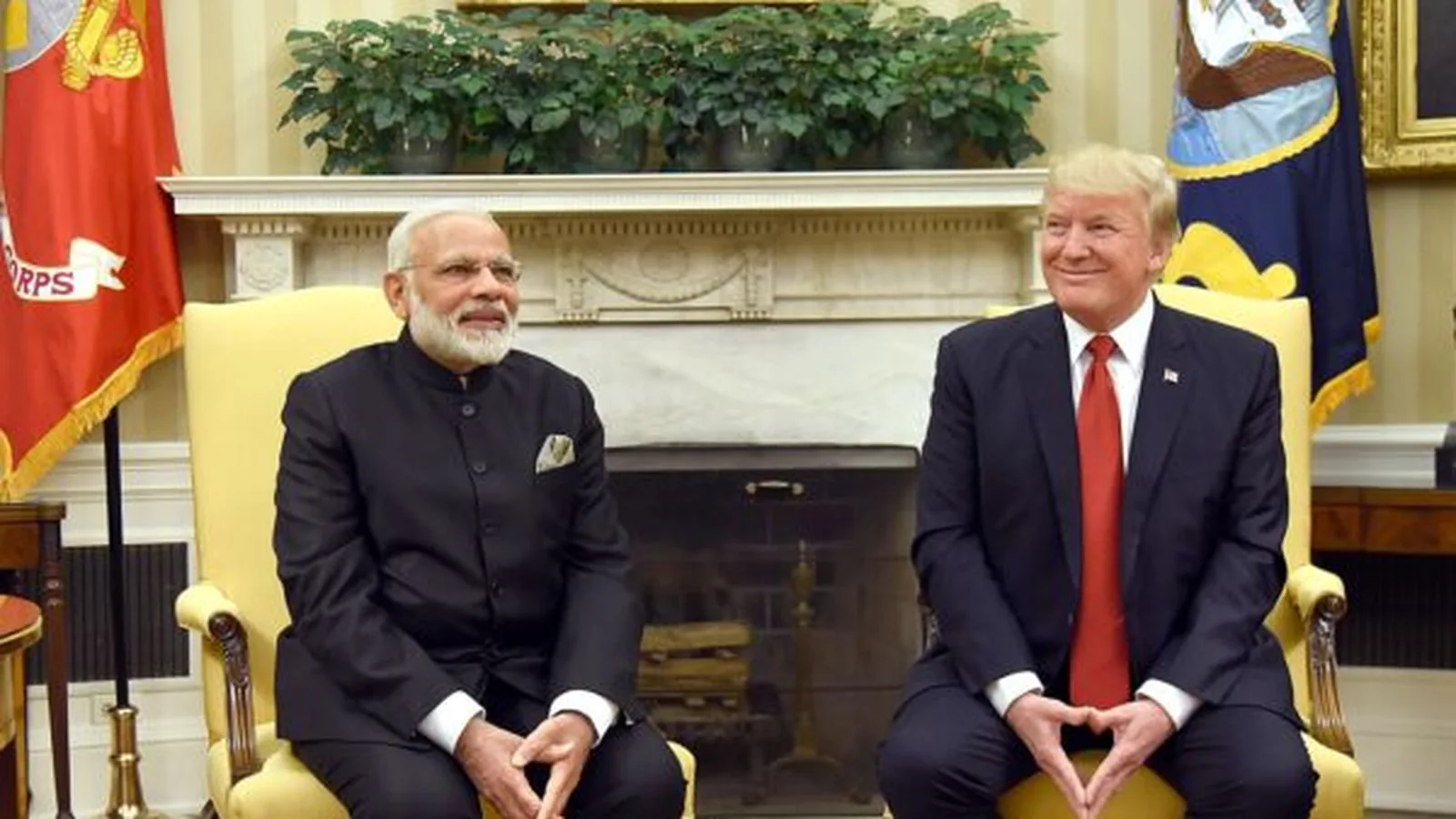
- Official Status: Indian and US trade negotiators have finalized terms on the first tranche of a bilateral trade pact, with an official public draft scheduled for formal release. The initial module establishes reciprocal market access protocols, targeted tariff relief, and mutual regulatory alignment across designated priority sectors.
- Agency Reporting: According to official briefings, the initial segment prioritizes customs streamlining, critical minerals cooperation, and resilient supply chain integration for electronics and pharmaceuticals. The pact follows months of structured deliberations under the bilateral Trade Policy Forum aimed at resolving longstanding duty disputes.
- Direct Impact: For Indian exporters and industrial manufacturers, the agreement promises reduced duty friction and greater regulatory predictability when accessing North American markets. The phased framework also shields vital technology supply chains from geopolitical shocks while setting a clear roadmap for subsequent services and digital trade rounds.
- Debunked Claims: Social media claims alleging immediate zero-tariff access across all sensitive agricultural goods or unconditional labor visa quota expansions are false and unverified by official negotiators.
The Core Dispute: Why Protests Are Growing
At the heart of the nationwide protests is the Special Intensive Revision (SIR), a comprehensive door-to-door verification exercise undertaken by the Election Commission of India under Section 21(3) of the Representation of the People Act, 1950. Opposition groups and civil liberties activists allege that the accelerated revision mechanism has facilitated irregular voter deletions without adequate individual notice, raising concerns over disenfranchisement.
Protesters in Delhi, Mumbai, and Bengaluru have organized public rallies demanding increased transparency, an immediate stay on automated deletions, and mandatory physical receipts for voter status verification. Demonstrators argue that urban migrants and economically vulnerable communities bear the brunt of unannounced roll purges.
Supreme Court Scrutiny & Legal Precedents
The controversy follows the Supreme Court's May 2026 judgment in Association for Democratic Reforms & Ors. v. Election Commission of India, which upheld the constitutional validity of the revision process under Article 324. However, fresh applications by civil society petitioners, supported by public interventions from former judicial figures, argue that administrative changes made to voter registration Form 6 were implemented without full institutional concurrence.
The apex court has issued notices seeking clarification from the Election Commission and Union Law Ministry on procedural safeguards. Legal scholars emphasize that while electoral roll purification is essential to prevent duplicate entries, democratic credibility demands robust appellate mechanisms before any citizen is struck from the rolls.
Frequently Asked Questions
What are the verified facts of this development?
Indian and US trade negotiators have finalized terms on the first tranche of a bilateral trade pact, with an official public draft scheduled for formal release. The initial module establishes reciprocal market access protocols, targeted tariff relief, and mutual regulatory alignment across designated priority sectors.
What is the practical impact on everyday citizens and readers?
For Indian exporters and industrial manufacturers, the agreement promises reduced duty friction and greater regulatory predictability when accessing North American markets. The phased framework also shields vital technology supply chains from geopolitical shocks while setting a clear roadmap for subsequent services and digital trade rounds.
Are viral online claims or rumors substantiated?
Social media claims alleging immediate zero-tariff access across all sensitive agricultural goods or unconditional labor visa quota expansions are false and unverified by official negotiators.



Reader Discussion