

A Christmas habit is easier to start when the film is already on. In the years when local stations across the US could run It’s a Wonderful Life without the usual film licence, George Bailey kept turning up in December. Viewers could drop in midway through a showing and catch the beginning on another day. That kind of repetition helped make a 1946 release into an annual ritual.
The story had circulated in an earlier form. Philip Van Doren Stern sent copies of his short story The Greatest Gift with his Christmas greetings in 1943. The Library of Congress traces its route through RKO to Frank Capra’s production company. The short story would matter twice in the film’s life, first as the basis for George Bailey’s story and later in the dispute over who could show it.
The years when stations could keep putting it on
In 1974 the film’s copyright registration went unrenewed. That lapse made it practical for local stations to put the film on holiday schedules again and again. The Television Academy’s account describes the role of those broadcasts in building its audience. A viewer could come across the film simply by turning on the television during the holidays.
Its last act also lends itself to repeat viewing. We get to see small acts earlier in the film acquire weight when George understands how much he matters to the town. After the first viewing, the anticipation of that moment can be part of the pleasure. Repeated airings gave audiences many chances to discover how the ending changes what came before.
Why the airings became an occasion
In 1993, the Los Angeles Times reported that Republic Pictures was notifying stations of its rights claim, drawing on the underlying story and the music. The earlier lapse in the film registration was only one piece of that history. Republic later reached a broadcast agreement with NBC, and repeated airings across many stations gave way to more limited network showings.
Television played both parts. It first gave the movie enough chances to become familiar. Then it gave families a date to put on the calendar for a film they already knew by heart.
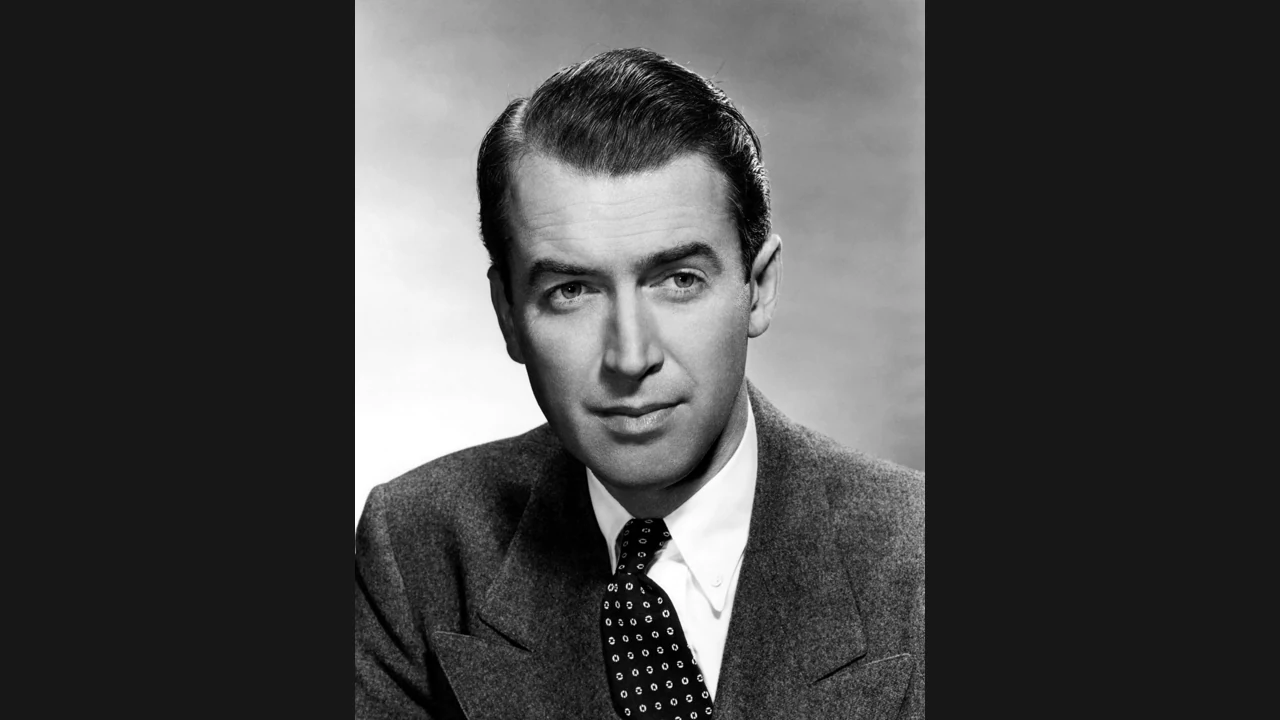
Cover photo: James Stewart, who played George Bailey in It’s a Wonderful Life, in a 1948 publicity photograph for Call Northside 777. Studio publicity still · Public domain. Framed and converted to WebP.


Reader Discussion