
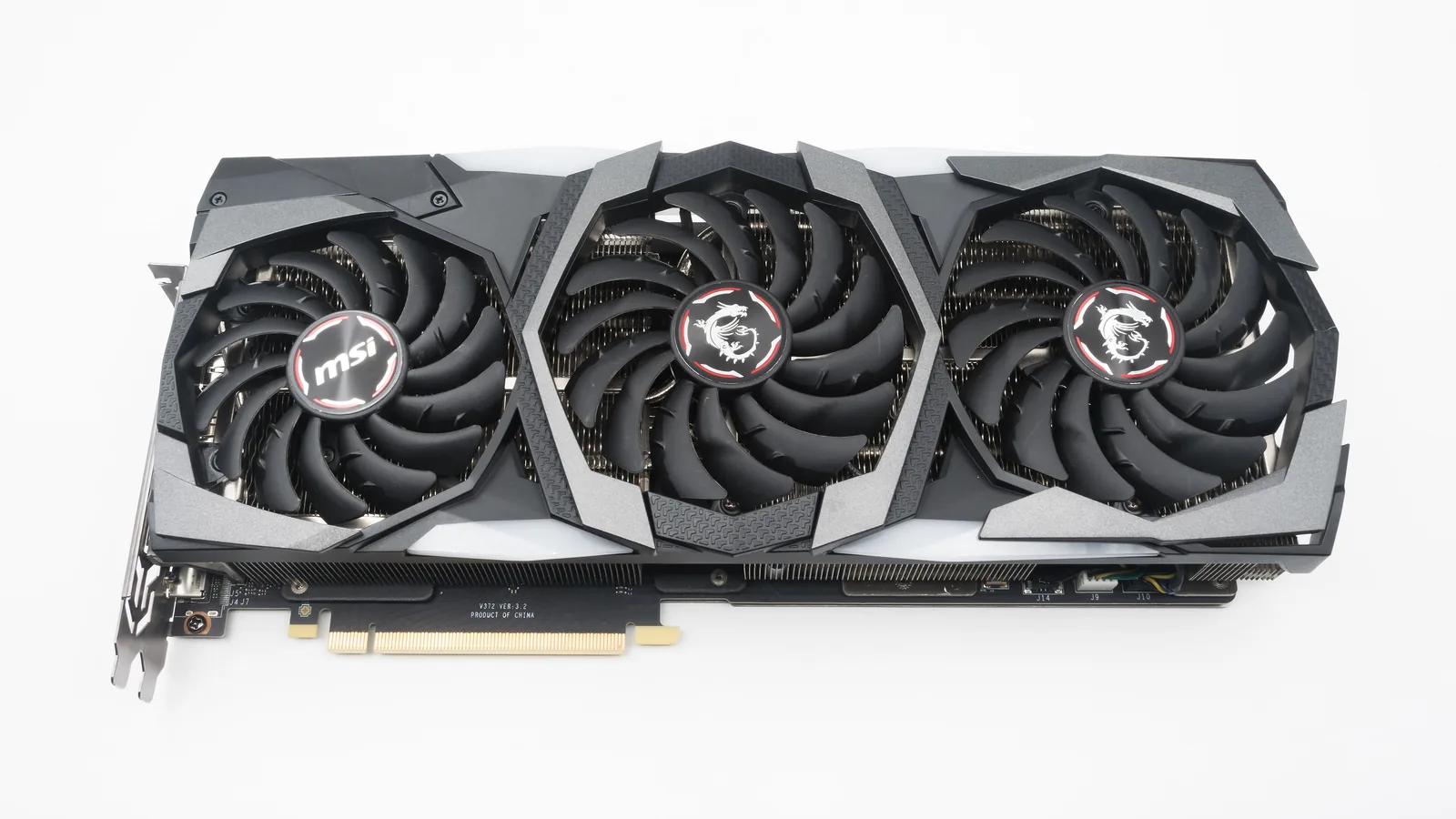
The Nvidia RTX 5090 Power Thermals 600W envelope represents an extraordinary thermal engineering milestone. Exhausting 600 watts of sustained heat from a single monolithic processor demands custom triple-slot vapor chambers, split-PCB motherboard layouts, and the universal adoption of refined 12V-2x6 power connections.
Key Takeaways
- 600W Total Graphics Power: Board partners design coolers for sustained 600W thermal dissipation under combined ray tracing workloads.
- Revised 12V-2x6 Connector: Recessed sense pins ensure electrical contact only occurs when the plug is mechanically locked.
- Dual-PCB Thermal Architecture: Separates high-heat voltage regulators from the central GB202 processor die.
- ATX 3.1 PSU Requirement: High transient excursion handling prevents sudden system restarts during intense compute spikes.
The 600-watt reality and thermal dissipation engineering
Cooling 600 watts within a desktop enclosure tests modern thermodynamics. Nvidia Founders Edition and partner graphics cards incorporate vapor chambers machined from oxygen-free copper. Composite heat pipes route thermal energy across dual dense aluminum fin stacks. High static pressure fans force hot exhaust directly out the chassis rear expansion bracket.
Thermal sensors embedded across the GB202 substrate monitor localized hot spots in real time. Dynamic voltage and frequency scaling adjusts clock profiles across microscopic zones. This precision prevents thermal throttling while maintaining clock speeds above 2.5 GHz during prolonged rendering sessions.
Case airflow becomes paramount. Custom system builders recommend high-flow mesh enclosures with dedicated floor intake fans directed upward. Liquid cooling configurations will feature prominently among custom retail cards. Asetek and Alphacool have developed dedicated 360mm all-in-one liquid cooling loops specifically tuned for the 5090 thermal profile.
The 12V-2x6 power standard: Eliminating connection risk
Melting connectors plagued early RTX 4090 installations. Nvidia and PCI-SIG addressed this vulnerability through the updated 12V-2x6 standard. The new H++ connector looks similar on the outside but features fundamental engineering improvements inside.
Four sensing pins have been shortened by 1.7 millimeters. If the cable is not seated fully into the socket, the sense pins break contact immediately. The graphics card firmware detects the open circuit and restricts boot power to safe threshold levels. Current cannot flow until positive mechanical engagement is confirmed.
Terminal contact pins now feature thicker copper plating to reduce resistance. Internal operating temperatures at the socket junction drop by up to 15 degrees Celsius under continuous full-load testing. Users should use dedicated PCIe cables rather than daisychained splitters.
Thermal and electrical comparison: RTX 3090, 4090, and 5090
| Thermal & Power Metric | GeForce RTX 3090 | GeForce RTX 4090 | GeForce RTX 5090 |
|---|---|---|---|
| Total Graphics Power (TGP) | 350 Watts | 450 Watts | 600 Watts |
| Recommended Power Supply | 750 Watts ATX 2.4 | 850 Watts ATX 3.0 | 1000 - 1200 Watts ATX 3.1 |
| Power Connector Design | Dual/Triple 8-pin | 12VHPWR (H+) | 12V-2x6 (H++) |
| Sense Pin Safety Recession | Not Applicable | 0.5 mm Recession | 1.7 mm Recession |
| Typical Physical Slot Width | 2.7 Slots | 3.5 - 3.75 Slots | 3.5 - 4.0 Slots / AIO Liquid |
Motherboard layout: Split-PCB architecture benefits
Dumping 600W into a single printed circuit board causes significant trace heating. Nvidia engineers separated the primary GPU die from secondary voltage regulation modules. This split-board layout allows cooler ambient intake air to reach the memory traces before passing over power delivery components.
High-efficiency smart power stages deliver clean current with reduced electrical ripple. By distributing power phases across isolated surface areas, thermal buildup remains manageable. Component lifespan improves significantly under rigorous 24/7 compute loads.
Frequently asked questions
Can my existing 850W power supply run the RTX 5090?
An 850W power supply is strictly not recommended for the RTX 5090. Transient spikes can push power draw past 1000W during intense scenes, triggering power supply over-current protection and unexpected shutdowns.
How does the 12V-2x6 connector solve cable melting?
The updated 12V-2x6 connector shortens sense pins by 1.7mm. If the plug is loose or misaligned, the circuit will not close, preventing current from arcing across poorly seated terminals.
What operating temperatures are considered normal?
Under full gaming stress, core GPU temperatures hover between 65 and 72 degrees Celsius. Memory junction temperatures stay safely under 85 degrees Celsius thanks to direct contact cold plates.
Will the RTX 5090 fit inside standard mid-tower computer cases?
Most retail 5090 models measure over 340mm in length and require at least 3.5 vertical expansion slots. Builders should verify case clearance and install the included GPU anti-sag support bracket.


Reader Discussion