
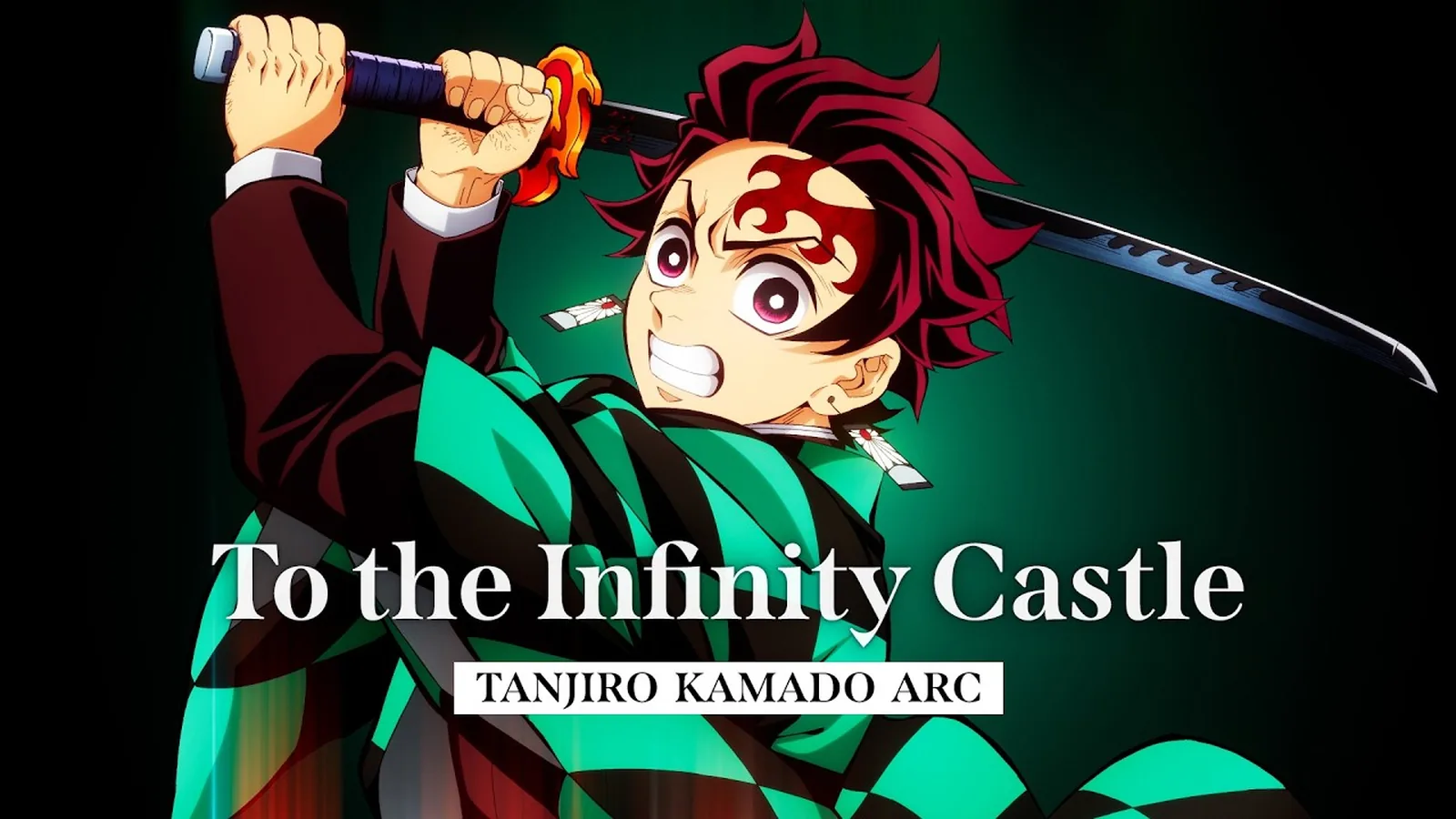
When Tanjiro and the Hashira plunged through the floorboards into Nakime’s shifting wooden abyss, everyone watching expected the usual title card: Season 5, coming next fall. Instead, studio Ufotable and Aniplex threw a grenade into the anime schedule. The final battle will arrive as the Demon Slayer Infinity Castle trilogy across global movie theaters. It promises the most visually ferocious animation ever put on screen. Yet it also leaves fans facing a brutal reality: we might be waiting until 2028 to see the sunrise.
Adapting 67 uninterrupted manga chapters into three separate theatrical features is a high-wire act. It solves an impossible technical challenge for the animation team. At the same time, it tests audience patience in a way television never dared.
Key Takeaways: The Theatrical Gamble
- Saving the Animators: The shifting geometry of the Infinity Castle requires custom 3D layout mapping and dynamic camera moves that would crush a weekly television broadcast schedule.
- The Agonizing Release Gap: A 24-episode television season finishes in six months. A film trilogy threatens to stretch the climax across three to four years of ticket lines and spoiler paranoia.
- The Half-Billion Dollar Lesson: With Mugen Train earning $507 million worldwide, theatrical tickets deliver radically higher direct returns to Aniplex and Ufotable than streaming licensing.
- No Broadcast Restrictions: Moving to the big screen removes television dimming filters, broadcast censorship, and rigid 22-minute commercial episode cuts.
Why the Demon Slayer Infinity Castle Trilogy Needs Movie-Budget Physics
The Infinity Castle is an animator’s nightmare. It is not a flat open field like Mount Natagumo. It is an M.C. Escher funhouse where floors flip into ceilings, staircases twist mid-sprint, and the camera drops thousands of virtual feet while steel swords clash at blinding speed.
Ufotable approaches these scenes through an integrated digital workflow. The studio builds complete 3D architectural environments inside computer graphics software. Hand-drawn 2D character animation is then carefully composited directly into wild, swooping camera passes. In previous television arcs, these vertigo-inducing camera drops lasted only three or four seconds. The Infinity Castle demands that intensity for hours.
Weekly broadcast television cannot support that workload without severe shortcuts. Animators burn out. Quality dips. By moving to feature films, the digital department gets months to polish single combat exchanges. Every kinetic blood splatter, flame streak, and water slash gets cinema-grade compositing time.
The Multi-Year Wait: Why Fans Are Anxious
Here is the quiet frustration haunting the fandom. A standard anime season delivers its story in consecutive weekly chapters over two cours. You settle in every Sunday. You talk about the episodes on Monday. By month six, the credits roll and the journey reaches its emotional peak.
A theatrical trilogy changes that emotional connection completely. Part 1 leaves you on a massive cliffhanger. Then the screen goes black. You walk out into the lobby. Now you must wait anywhere from 12 to 24 months for Part 2. By the time Part 3 arrives, several years have slipped by.
That waiting game creates real collateral damage. First, manga spoilers become almost impossible to avoid online. One casual scroll through TikTok can ruin an iconic character death. Second, momentum can stumble. Fans who fell in love with Tanjiro’s journey during high school might find themselves graduating college before seeing Muzan fall.
The Box Office Lesson No Studio Could Resist
Creative integrity is important, but cold cash made this decision inevitable. In 2020, Mugen Train pulled off the impossible. It out-grossed Hayao Miyazaki’s Spirited Away to claim the all-time Japanese box office crown. Fans did not treat it like a movie spinoff. They treated it like mandatory cultural viewing.
Traditional late-night television broadcast deals make money indirectly. Production committees pay for airtime to sell manga volumes, action figures, and streaming licenses. Theatrical releases print money directly. Every ticket buyer hands cash straight to the studio and distributor. Premium formats like IMAX and 4DX supercharge those totals. For Aniplex and Sony Pictures, greenlighting three movies was the easiest financial call in company history.
Four Simultaneous Wars That Defy Television Structure
Koyoharu Gotouge’s final manga arc is built differently than anything that came before it. There is zero breathing room. Once the doors slam shut, four lethal confrontations unfold at the exact same moment across separate chambers of the fortress.
Shinobu Kocho goes head-to-head with Upper Rank Two Doma. Zenitsu faces his former training brother Kaigaku. Tanjiro and Giyu clash in an all-out rematch against Akaza. Down another endless corridor, Gyomei, Sanemi, Muichiro, and Genya throw everything they have at the monstrous power of Kokushibo. These fights do not pause for each other. They bleed together.
Television broadcasts rely on artificial cliffhangers. One week you watch Shinobu strike, and the next week you get pulled away to Zenitsu. Momentum stutters. Feature films let the chaos breathe. The big screen allows the director to cross-cut between simultaneous clashes with cinematic gravity. You feel the crushing exhaustion of a multi-front war.
The New Standard for Shonen Finales
Ufotable has chosen the harder road. A television season would have been safe, predictable, and rapidly delivered. The movie trilogy route is risky, demanding, and bound to test the stamina of the global audience.
Yet if the studio pulls it off, the reward will be historic. Free from television broadcast dimming and frantic weekly deadlines, these animators have room to produce something timeless. The wait will hurt. But when that theater lights down and the blades start swinging, very few people will wish they were watching on a laptop.


Reader Discussion